
How Much Does Windscreen Chip Repair Cost in Sydney
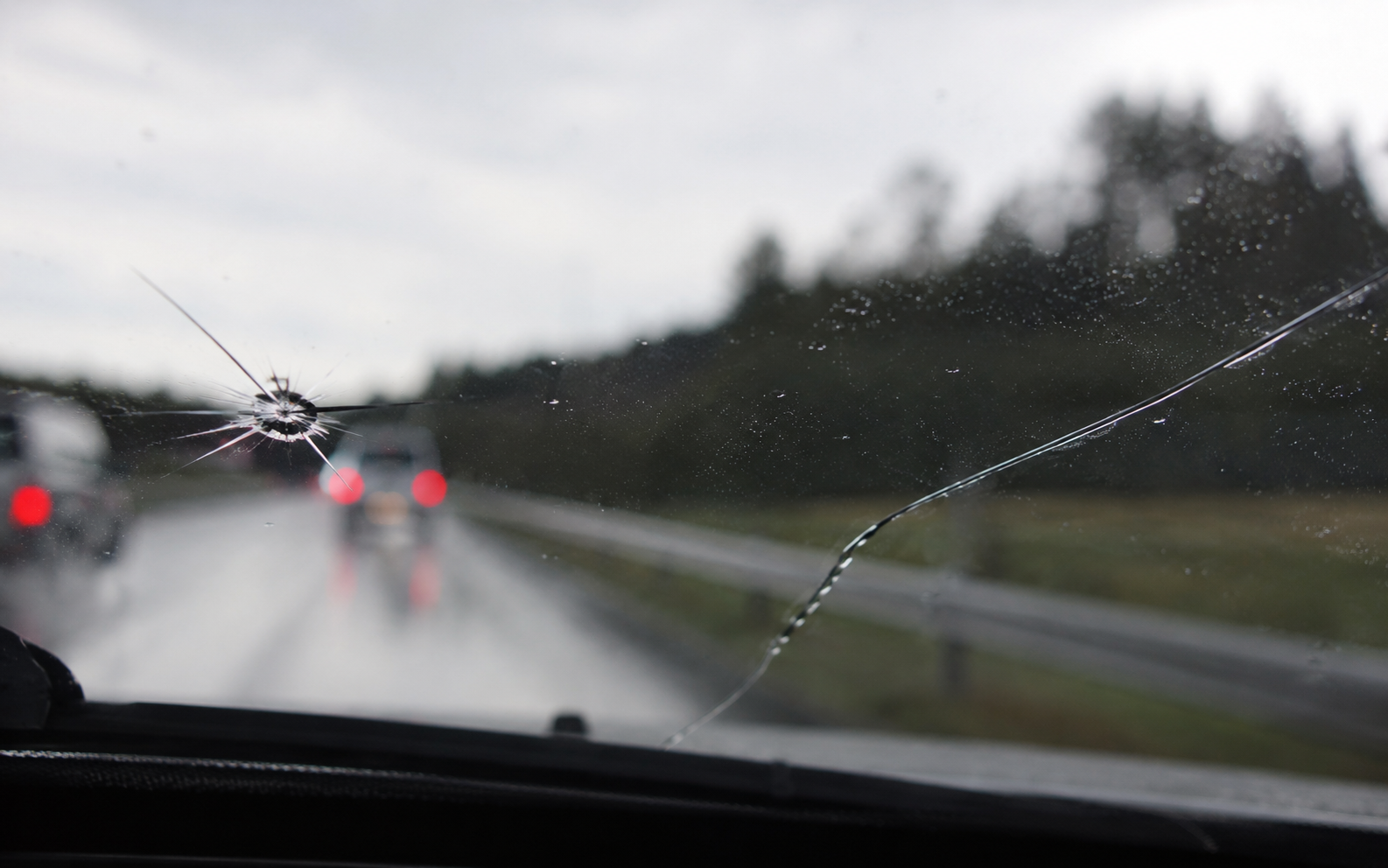
You are pulling out of the car park at Mona Vale and a stone off the truck in front pings your windscreen. A week later there's a small star-shaped mark where the glass got hit. Or you get in the car one frosty morning near Narrabeen and notice a hairline crack has crept two centimetres further overnight than it was yesterday. Either way, the question is the same: does this need a quick repair, or does the whole windscreen have to come out?
The answer depends on size, depth, location, and how long the damage has been sitting there. Get it right, and a $70 repair keeps your original factory seal and your ADAS camera calibration intact. Get it wrong, or leave it too long, and a repairable chip turns into a $400+ replacement job.
Step 1: Know What You're Actually Looking At
Not all windscreen damage is the same shape, and the shape matters more than most people realise.
A chip is a small, contained impact point. The common types are:
- Bullseye: a circular dark ring around a central impact point, usually from a rounded stone. Often the easiest and most successful type to repair.
- Star: a central point with thin cracks radiating outward like spokes. Repairable if caught early, but the legs can run if left.
- Combination: a bullseye and a star break together. Still commonly repairable, but success depends on how far the legs have spread.
- Edge: chip damage within about 5cm of the windscreen's edge. These carry more structural risk because the edge is where the glass is bonded to the frame.
A crack is a line that has already started travelling through the glass:
- Hairline crack: A thin, single-direction line, sometimes barely visible until light catches it at the right angle.
- Spreading crack: A crack that is visibly longer than it was when first noticed. Temperature swings on the Northern Beaches, between hot days and cold nights, accelerate this.
- Edge crack:
A crack that starts at or reaches the windscreen's edge. This is treated as a replacement in almost every case, regardless of length.
Step 2: The Size and Location Rules That Actually Decide It
Technicians work from a fairly consistent set of thresholds, though the exact numbers vary slightly between insurers and manufacturers.
Size:
- Chips smaller than a 20-cent coin (roughly 20–25mm) are generally repairable.
- Cracks up to about 15cm long can often be repaired if they haven't reached the edge and aren't in the driver's direct line of sight.
- Anything larger than that, or any crack over roughly 30cm, moves into replacement territory because the resin repair can no longer restore enough structural strength.
Location:
- Damage sitting directly in the driver's primary line of sight, the area swept by the wipers directly ahead of the steering wheel, is usually replaced rather than repaired, even if it's small.
- Damage within 5cm of the edge is a replacement call almost every time, because the edge is a structural bonding point, not just glass.
- Damage to glass sitting over or near an ADAS camera bracket needs to be assessed by a technician, who can also check whether the camera itself needs recalibration, regardless of whether the glass is repaired or replaced.
Depth and contamination:
- If the impact has gone through both layers of the laminated glass, it's a replacement, not a repair.
- Chips that have been sitting for weeks and have collected dirt or moisture inside the break are harder to repair cleanly, and moisture can accelerate spreading once temperatures drop.
Step 3: When Repair Is the Right Call
Repair is the better outcome whenever it's genuinely available, and not just because it's cheaper. A repair keeps the original factory seal intact, avoids any need for ADAS recalibration in most cases, and usually takes 30 to 45 minutes rather than the half-day or more a replacement needs to cure.
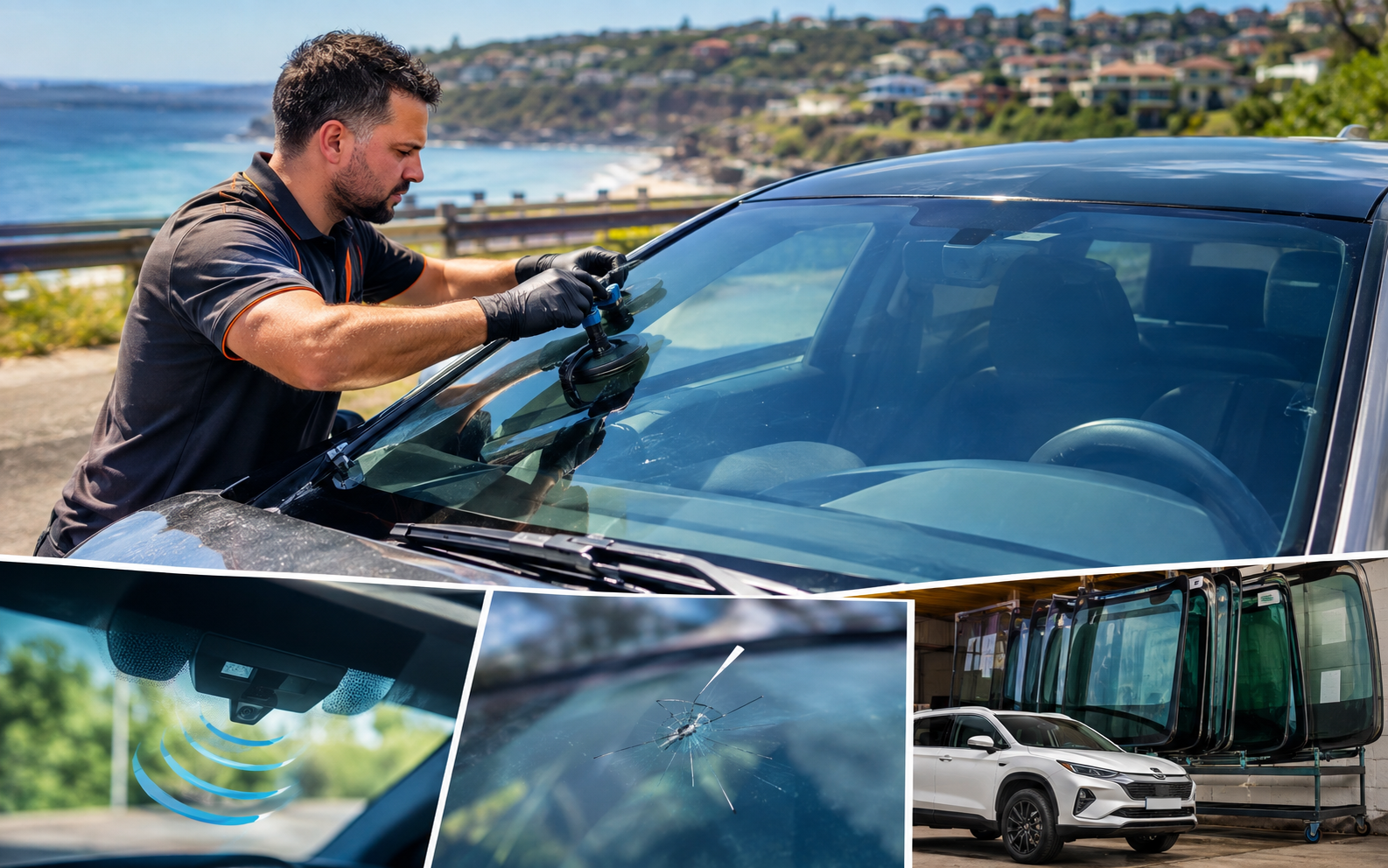
Resin injection works by drawing air and moisture out of the chip under vacuum, then filling the void with a clear resin cured with UV light. Done well, it stops the damage from spreading and restores most of the glass's original strength at that point.
Repair is worth doing when:
- The chip or crack is smaller than the size thresholds above.
- It's outside the driver's direct line of sight.
- It hasn't reached the windscreen's edge.
- It is recent, ideally repaired within a few days to a couple of weeks of the impact, before contamination and spreading set in.
Step 4: When Replacement Is Necessary
Replacement isn ot just the more expensive option; in a lot of cases, it's the only safe one. A full windscreen replacement involves removing the old glass, cleaning and priming the frame, fitting new laminated glass, and allowing the urethane adhesive to cure before the car is safe to drive.
Replacement is the right call when:
- The crack is longer than roughly 30cm or has reached the edge of the glass.
- The damage sits directly in the driver's line of sight, regardless of size.
- There is more than one chip or crack; multiple points of damage compromise the glass's overall integrity even if each one individually looks repairable.
- The impact has penetrated both layers of the laminate.
- The car has ADAS features, and the damage is close enough to the camera housing that repair resin could distort the camera's view.
Step 5: ADAS Recalibration, Why It Changes the Decision
Most vehicles made after 2018 carry a forward-facing camera mounted to the windscreen, feeding lane-keep assist, automatic emergency braking, and adaptive cruise control. That camera is calibrated to the exact optical properties and mounting position of the glass it was fitted with.
If the windscreen is replaced, the camera almost always needs recalibrating afterward, either static (workshop target boards) or dynamic (a specific driving procedure), depending on the manufacturer. A technician quoting a replacement on a car with ADAS should tell you upfront whether recalibration is included or billed separately.
If the windscreen is only repaired, recalibration usually isn't required, because the original glass and camera mounting haven't moved.
Step 6: What Actually Changes Cost and Insurance
Comprehensive car insurance in Australia commonly covers windscreen damage, and a lot of policies apply a reduced excess sometimes zero specifically for repairs, while charging the standard excess for a full replacement.
Before booking anything, it's worth a five-minute call to your insurer with the details what happened, roughly how big the damage is, and where it sits on the glass to confirm whether it falls under repair or replacement cover.
The Northern Beaches Specifics Worth Knowing
Wakehurst Parkway and Forest Way are stone chip generators.
Both roads cut through bushland with loose gravel verges and regular truck traffic. A chip picked up on either road is common, and if it isn't dealt with, the bush corridor's overnight-to-midday temperature swing puts real stress on the glass and accelerates cracking.
Distance makes waiting expensive.
If you're in Newport, Avalon, or Palm Beach and a chip turns into a windscreen-wide crack while you're deciding what to do, you're now looking at getting an unroadworthy car down 40–60km of Pittwater Road. A mobile technician who can assess and repair a chip at your home or workplace the same day removes that problem before it becomes one.
Is It Legal to Drive With a Chipped or Cracked Windscreen in NSW?
A small chip outside the driver's line of sight generally doesn't put you on the wrong side of the law, though it's still worth fixing before it spreads. A crack or chip that obstructs the driver's vision is different. NSW road rules require a clear, unobstructed view, and police can act on a vehicle where that isn't the case.
Frequently Asked Questions
Can a crack be repaired, or is it always a replacement?
Small cracks, generally under about 15cm, away from the edge and outside the driver's direct line of sight, can often be repaired. Longer cracks, edge cracks, and anything in the sightline are treated as replacements.
How much does a windscreen chip repair cost compared to a replacement?
Repairs are typically a fraction of the cost of a full replacement and often take under an hour. Replacement costs vary more, particularly on vehicles with ADAS cameras that require recalibration afterward.
How long can I leave a chip before it needs fixing?
There's no fixed deadline, but the risk increases every day. Moisture, dirt, and temperature swings can turn a small, repairable chip into a spreading crack within days or weeks.
Will my insurance cover a windscreen repair?
Most comprehensive policies in Australia cover windscreen damage, and many apply a reduced or zero excess specifically for repairs. Check with your insurer before booking.
Does my car need ADAS recalibration after a windscreen repair?
Usually not for a repair, since the original glass and camera mounting stay in place. Recalibration is generally required after a full replacement on vehicles with a windscreen-mounted camera.
I'm on the Northern Beaches and just noticed a chip, can someone come to me?
Yes. Mobile windscreen repair and replacement covers the full Northern Beaches peninsula, with technicians able to assess on-site the same day.
A chip caught early is usually a quick, cheap repair that keeps your original windscreen and your ADAS calibration intact. The same chip left for a few weeks, especially through a Northern Beaches temperature swing, can turn into a crack that only a full replacement will fix. Size, location, and how long it's been sitting there are what decide which side of that line you're on.
Recent Posts